

IoT Sensor Selection Guide — Temperature, Humidity & Position Sensors Compared

IoT Sensor Selection Guide — Temperature, Humidity & Position Sensors Compared
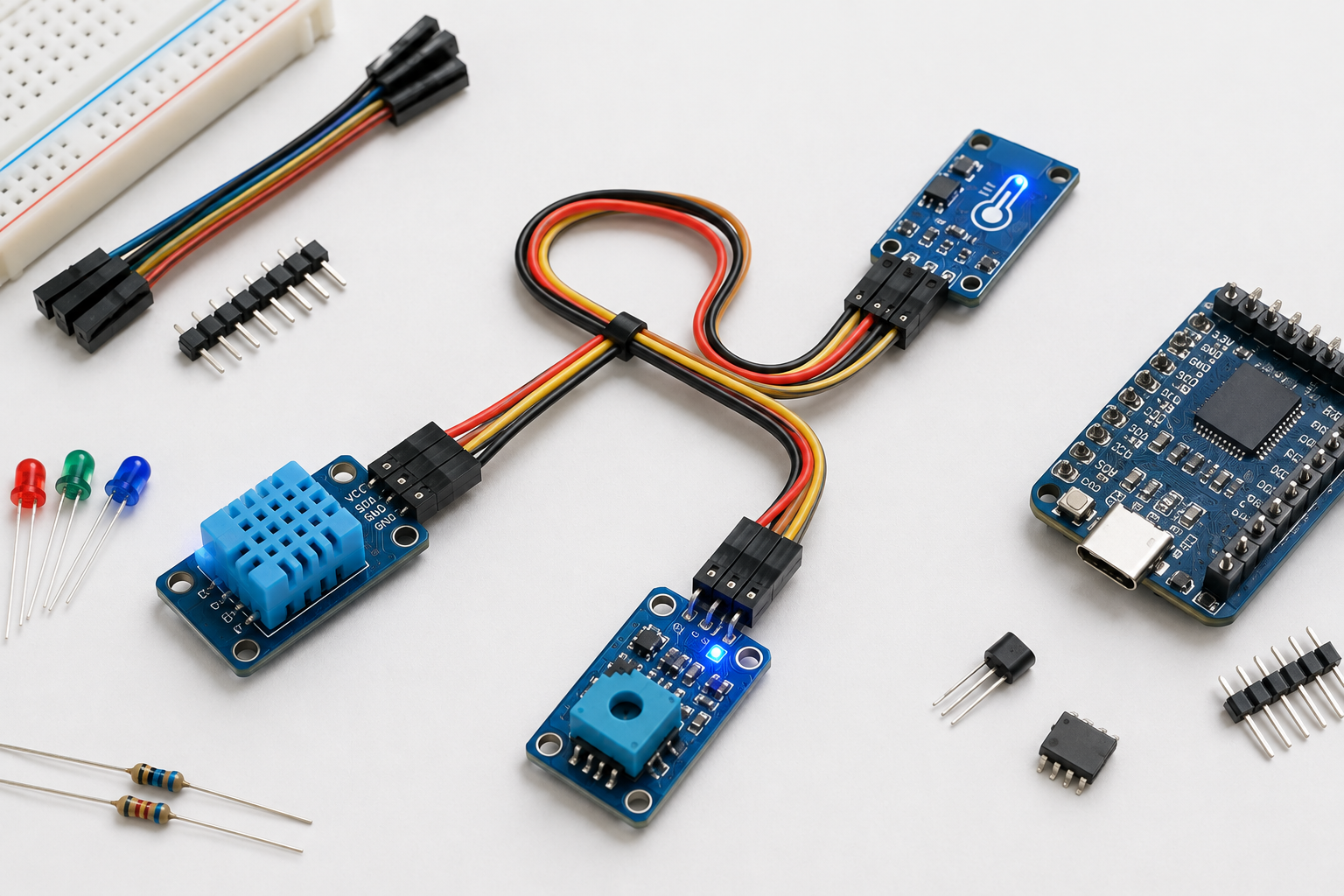
In the complex ecosystem of the Internet of Things (IoT), the integrity of your data is entirely dependent on the quality of your physical-to-digital interface. Selecting the correct sensor architecture fundamentally dictates system accuracy, operational reliability, power budget, and overall project cost. This technical guide explores the critical selection criteria for three ubiquitous IoT sensor categories: Temperature, Humidity, and Position.
Why Sensor Selection Matters in IoT
A sensor is not merely a component; it is the sensory organ of your IoT network. Deploying an over-specified sensor leads to unnecessary power consumption and inflated BOM costs. Conversely, an under-specified sensor introduces noise, calibration drift, and potential system failure under environmental stress. Engineering the right balance requires a deep understanding of the application's physical operating environment and digital output requirements.
Temperature Sensors
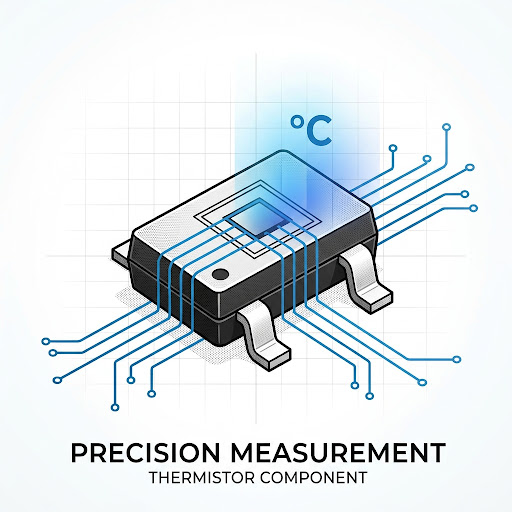
Temperature measurement is the most common IoT parameter. Selection hinges on required range, accuracy, and response time.
Thermistors (NTC/PTC)
Highly sensitive and cost-effective for narrow temperature ranges. Non-linear output requires software compensation.
RTDs (Resistance Temperature Detectors)
Offer superior linearity, stability, and repeatability over a wide temperature range, typically utilizing platinum elements. Ideal for industrial precision.
Semiconductor IC Sensors
Provide direct digital output (I2C/SPI), integrating the sensor and ADC. Excellent for embedded systems requiring low power and minimal external components.
Humidity Sensors
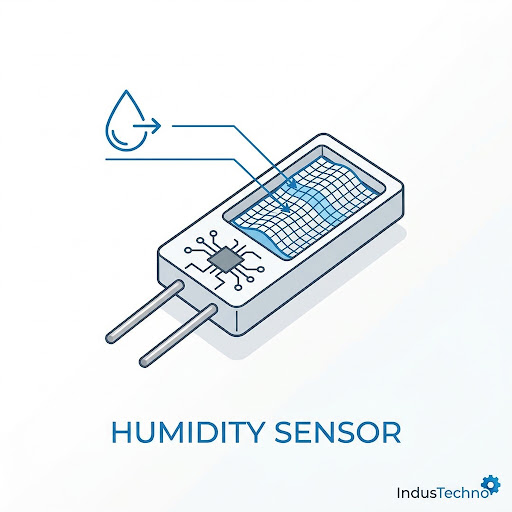
Typically measuring Relative Humidity (RH), these sensors are critical for environmental control and asset monitoring.
Key Applications
- Smart Homes: HVAC optimization and indoor air quality management.
- Industrial IoT: Moisture control in manufacturing processes.
- Data Centers: Preventing static discharge (low RH) or condensation (high RH) on server racks.
Position Sensors
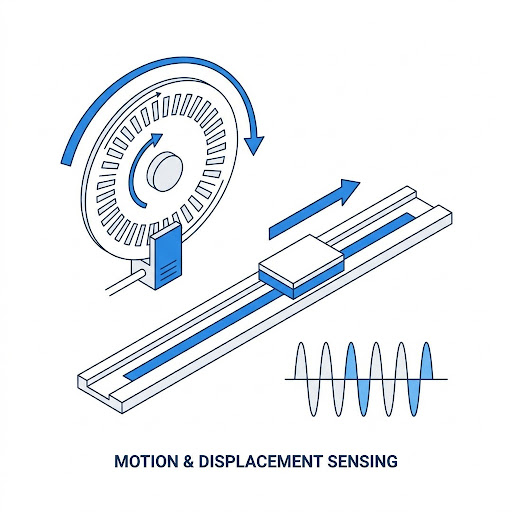
Essential for translating mechanical movement into digital data, determining absolute or relative location.
Hall-Effect Sensors
Non-contact magnetic sensing, highly robust against dust and moisture. Ideal for harsh industrial environments.
Optical Encoders
Provide extremely high resolution and accuracy for rotary or linear motion, heavily utilized in precision robotics.
Potentiometric Sensors
Simple, cost-effective resistive tracks. Subject to mechanical wear over time.
Technical Comparison Matrix
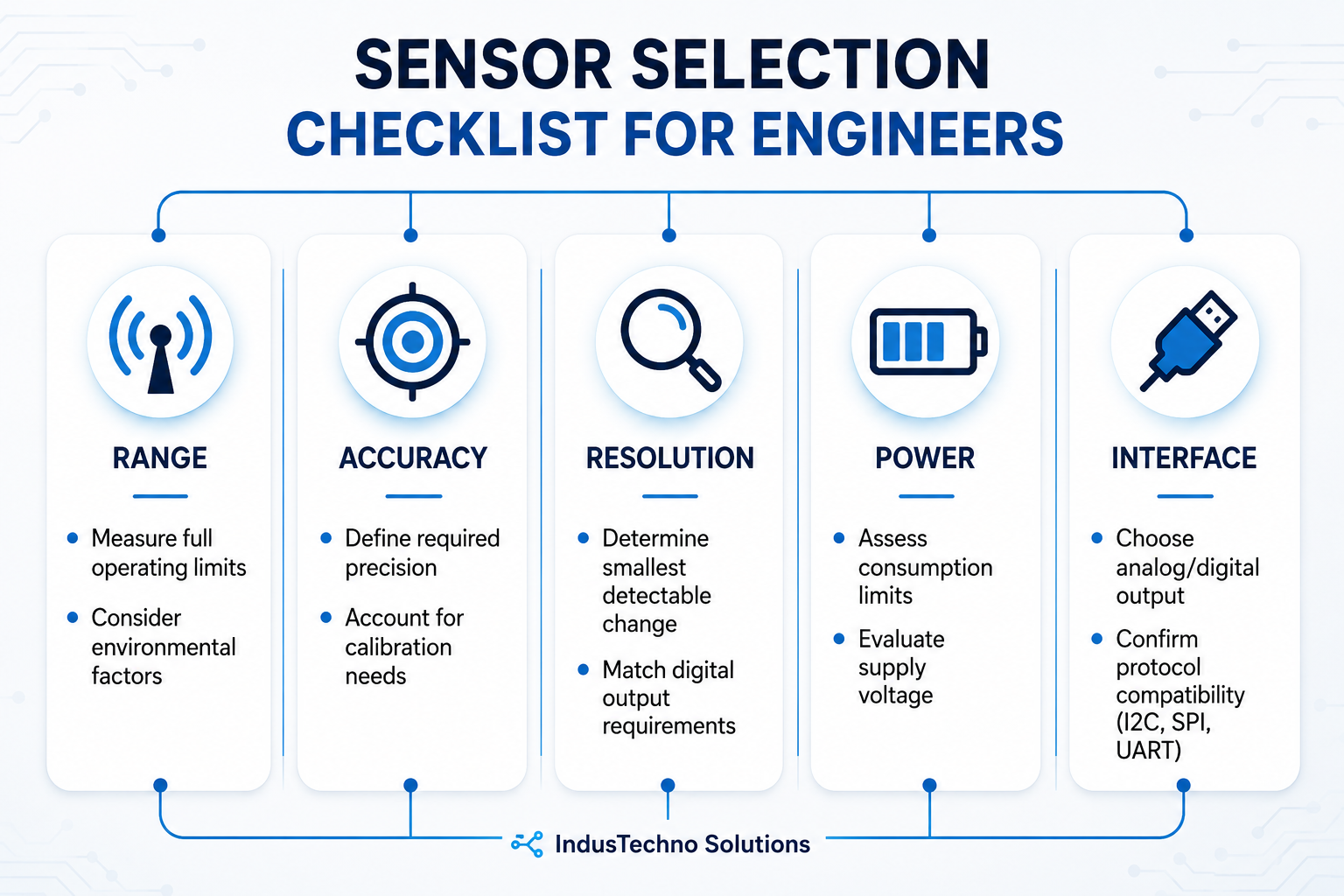
Sensor Selection Checklist
Application Deployments
Smart Home
Integrated temp/humidity ICs for intelligent HVAC zoning and thermostat controls.
Precision Ag
Ruggedized soil moisture and ambient temperature arrays for automated irrigation.
Industrial IoT
Vibration and precise position sensors for predictive maintenance on motors.
Robotics
High-resolution optical encoders for robotic arm articulation and absolute positioning.
Technical FAQ
What is the difference between accuracy and resolution in sensor specs? >
Why choose I2C over analog for IoT temperature sensors? >
How does package size affect thermal response time? >
Looking for the right components for your IoT project?
Explore our comprehensive catalog of industrial-grade sensors, read detailed datasheets, and consult with our application engineers.
-

-

November 27, 2025
Connecting the Dots: How Electronic Components Work Together in Devices -

November 27, 2025
How reliable is your electronics components supplier